Wildyouth: A Handwritten Font That Brings Designs to Life
There’s a certain warmth and authenticity that only a handwritten element can bring to a design. In a digital landscape often dominated by clean sans serifs and polished serifs, a script font like Wildyouth offers a refreshing human touch. It’s not just another typeface; it’s a versatile tool designed to inject personality, emotion, and a handcrafted feel into your projects. Whether you’re a designer, entrepreneur, or content creator, understanding how to leverage this creative font can significantly elevate your visual communication.
Understanding the Wildyouth Typeface: More Than Just a Handwritten Font
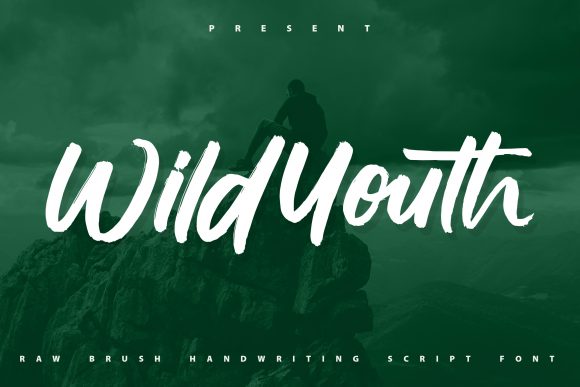
At its core, Wildyouth is a premium font characterized by its fluid, natural strokes and a distinct sense of movement. It avoids the overly formal or rigid structures of traditional script fonts, leaning instead into a modern, approachable aesthetic. The letterforms have a slight irregularity that mimics real penmanship, giving it an organic, authentic quality. This isn’t a font that tries to be perfect; it embraces the beautiful imperfections of hand lettering.
Its personality strikes a balance between playful and sophisticated. Depending on the context and color palette, Wildyouth can feel youthful and energetic, or elegant and thoughtful. This versatility is its greatest strength. It’s a typeface that can adapt to a brand identity for a boutique bakery just as easily as it can complement the layout of a lifestyle blog or the cover of a self-published novel. The key is understanding its inherent character and applying it with intention.
Practical Applications: Where Wildyouth Truly Shines
The real value of any design asset is measured by its utility. Wildyouth excels in numerous real-world scenarios, making it a worthwhile addition to any designer's toolkit.
Branding and Logo Design
For businesses aiming to project approachability, creativity, and a personal touch, Wildyouth is an excellent choice for logo design. Think of artisanal coffee shops, handmade jewelry brands, wellness coaches, or creative agencies. The font immediately communicates a human-centric ethos. It works beautifully as a primary logotype or as a secondary element within a larger brand system, adding a signature flourish to packaging, business cards, and website headers.
Marketing and Social Media Graphics
On crowded social feeds, grabbing attention requires visual distinction. Using Wildyouth for quotes, promotional headlines, or call-to-action text in graphics can stop the scroll. Its handwritten nature feels more personal and engaging than standard typography, which can help foster a stronger connection with your audience. For social media graphics, pair it with a clean, simple sans serif font for body text to ensure readability and create a clear visual hierarchy.
Publishing and Editorial Design
In editorial design, such as magazine layouts, book covers, or blog featured images, a script font like Wildyouth can be used strategically for pull quotes, chapter titles, or decorative accents. It adds a layer of visual interest and can help set the tone for the content. For a cookbook, it might evoke homemade warmth; for a travel journal, it could suggest adventure and personal notes. Always test it at the intended size to confirm legibility, especially for smaller text applications.
Crafting and Personal Projects
Beyond commercial use, Wildyouth is a fantastic resource for personal creativity. For crafters designing custom greeting cards, wedding invitations, or scrapbook elements, it provides a professional yet heartfelt look. Its versatility means it can be dressed up with elegant flourishes or kept casual for everyday projects. This makes it a valuable asset for hobbyists who want to produce high-quality, personalized items.
Working with Wildyouth: Practical Guidance for Designers
Integrating a new font into your workflow requires thoughtful consideration. Here’s how to approach using Wildyouth effectively.
Evaluating Project Fit and Readability
Before committing, ask yourself: Does the personality of Wildyouth align with the project’s goals and audience? A law firm’s annual report might not be the right fit, but a yoga studio’s promotional flyer could be perfect. Always prioritize readability. While display fonts like Wildyouth are designed for impact in headlines, they can become challenging to read in long paragraphs or at very small sizes. Use it for short bursts of text where its character can shine without hindering comprehension.
Mastering Font Pairing
The true power of a creative font is often realized in how it pairs with others. Wildyouth’s organic lines contrast well with geometric or neo-grotesque sans serif fonts (like Montserrat or Lato). For a more classic, balanced look, it can also pair with a traditional serif font (like Garamond or Times New Roman). The goal is to create contrast, not conflict. Let Wildyouth handle the expressive, attention-grabbing headlines while a more neutral typeface handles the detailed body copy.
Exploring the Font Package
When you acquire Wildyouth, explore the full package. Many premium fonts include multiple styles, such as alternate characters, swashes, or ligatures. These additional design assets allow for greater customization and can help you create a more unique typographic treatment. Understanding what’s included ensures you’re using the font to its full potential.
Commercial Licensing Considerations
For any professional or commercial project, it’s crucial to verify the font’s licensing. Ensure the license covers your intended use, whether for digital products, printed merchandise, client work, or software embedding. Respecting the font designer’s licensing terms is a fundamental part of professional practice and supports the creation of more high-quality modern typography resources.
Ultimately, Wildyouth is more than just a handwritten font; it’s a bridge between digital precision and human artistry. By applying it thoughtfully, you can create designs that are not only visually compelling but also rich in personality and emotional resonance. Experiment with it, test its limits, and discover how it can help you tell your story more effectively.